
Hurricane Season 2026: How to Prepare Your Home Before a Storm
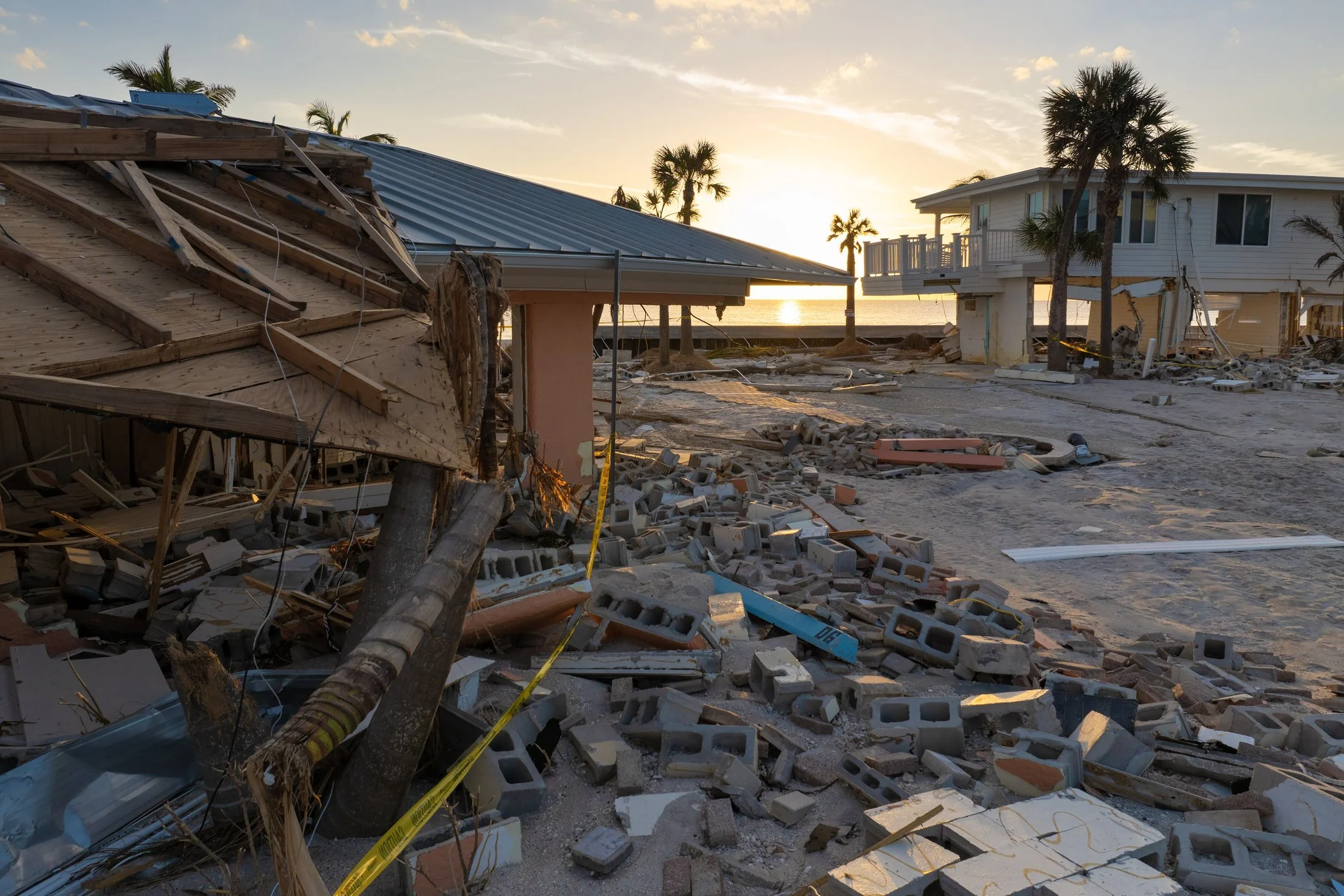
While only two named storms have formed this hurricane season, homeowners along the Gulf and Atlantic coast should stay prepared. Knowing how to prepare for a hurricane can help keep your family safe and make the insurance claims process easier if your home is impacted by a storm.
When is Hurricane Season in 2026?
The Atlantic hurricane season officially runs from June 1 through November 30 this year, with August through October typically representing the busiest period. For 2026, NOAA is forecasting a below-normal season with 7–13 named storms and a low chance at any major hurricanes.
While a below-normal season is good news, that does not mean we are fully safe from a damaging storm. NOAA emphasizes that seasonal outlooks describe overall activity, not whether or where a hurricane will make landfall.
How to Prepare for a Hurricane
While many of us have lived through major storms, for many homeowners a new hurricane may be their first major storm. As a heads up for them, and a reminder for the rest of us, the best way to prepare for a hurricane is ahead of time.
Review Your Insurance Coverage
Do not wait until a hurricane is approaching to read your insurance policy.
Review your homeowners policy and determine:
Your dwelling and personal-property coverage limits
Your deductible, including any applicable hurricane or wind deductible
Whether additional living expenses are covered
Whether your policy has exclusions or special provisions for wind, named storms, or other hurricane-related damage
Whether you have separate flood insurance
Flood coverage deserves special attention. The National Association of Insurance Commissioners (NAIC) states plainly that “damage from a flood is not covered under a standard homeowner's policy.” Flood insurance is generally separate coverage and may be available through the National Flood Insurance Program or private insurers.
Don't assume that because you live outside a designated high-risk flood zone you cannot experience flooding.
Create a Home Inventory Checklist
A detailed home inventory can be extremely valuable after a hurricane.
Photograph or video each room and document major belongings, including
Furniture
Appliances
Electronics
Jewelry
Tools
Collectibles
Other valuable property.
Having a detailed list of your home’s contents is essential when dealing with your insurance company after a storm. Store digital copies somewhere you can access if your home is damaged or evacuated. Consider cloud storage or another location away from the property.
Monitor Your Property for Hazards
Hurricane season is a good reminder to do a property walkthrough to determine if there is anything you need to address before a potential storm forms. Be on the lookout for things like dead trees or weak branches, as well as old roof damage/missing shingles that could possibly hurt your claim later down the line.
We recommend:
Clearing gutters and drainage areas
Trimming weak branches and removing dead trees near the home
Securing outdoor furniture, grills, decorations, and other loose objects
Installing or inspecting hurricane shutters
Reinforcing vulnerable windows and doors
Checking generators and emergency equipment before they are needed
Build an Emergency Supply Kit
One of the first things you may want to consider if you live in a coastal area is to create an emergency supply kit for your home. You should plan to have enough essential supplies for your family to remain safe for several days.
Essential items to consider include:
Water
Nonperishable food
Medications
First-aid supplies
Flashlights
Batteries
Chargers
Important documents
Pet supplies
Keep important documents in a secure waterproof location and maintain digital copies when possible.
Plan Your Evacuation Route
If a hurricane were to hit, you and your family should know exactly where to go and how to find each other. Decide where your family will go, how you will get there, and what you will take with you. It’s important to plan for younger children, older family members, pets, and anyone who may need additional assistance.
We also recommend to find out whether your home is located in an evacuation or storm-surge zone and identify official evacuation routes before a storm threatens. Many places, like Harris County, Texas have pre-determined evacuation routes for you to follow based on your neighborhood.
Protect Your Home and Your Insurance Claim
Hurricane preparation is about more than boarding up windows. Your documentation before the storm can be just as important as the physical precautions you take.
A current home inventory, copies of your insurance policy, photographs of your property's pre-storm condition, and records of improvements can provide valuable documentation if you experience a covered loss.
If your property is significantly damaged and you are uncertain about the scope of your loss or the claims process, consider consulting licensed public adjuster near you.